First aid at work: are your arrangements up to date?
A practical guide to checking first aid cover, qualifications, equipment and arrangements across every shift in your workplace.
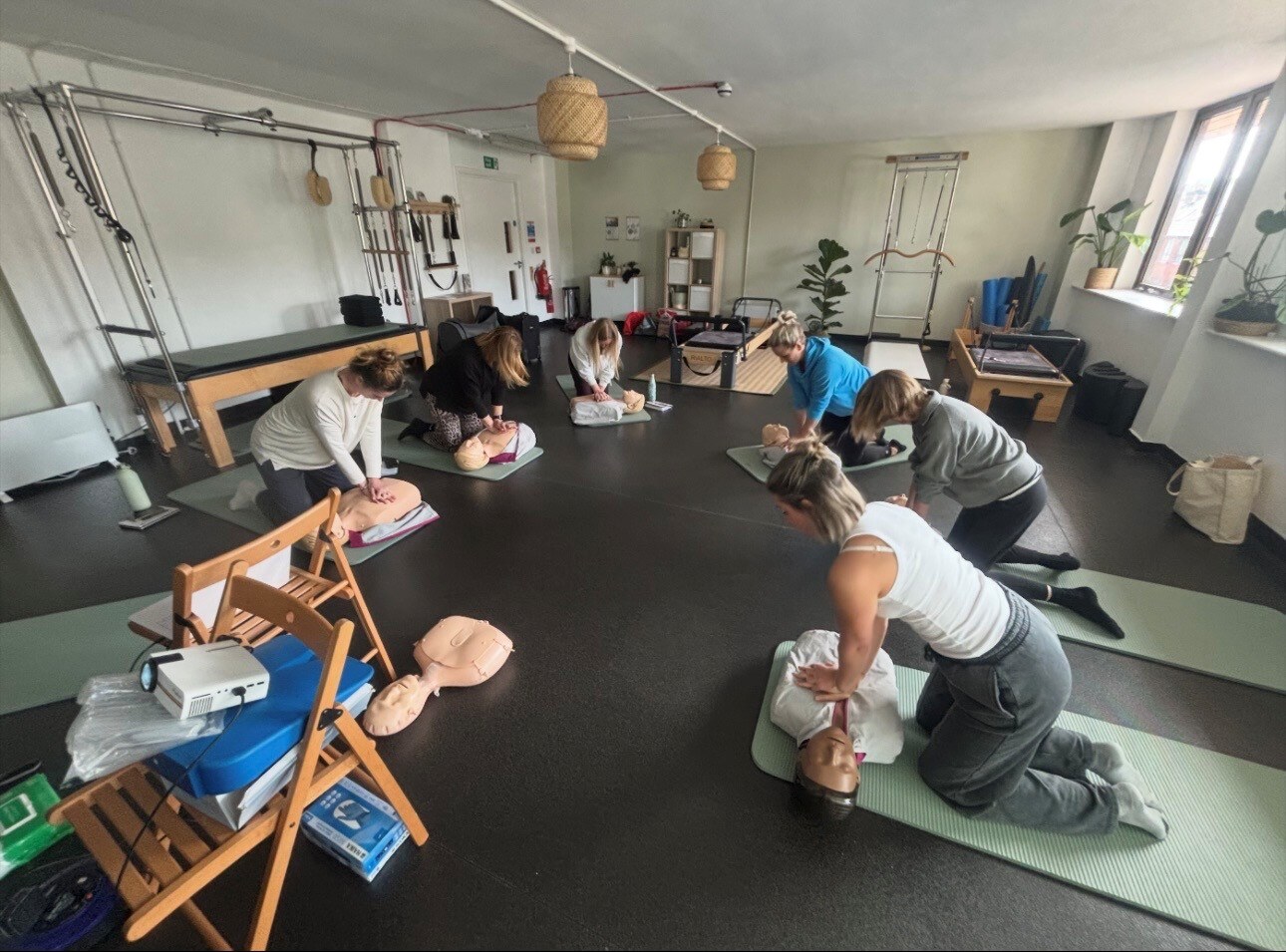
First aid at work: are your arrangements up to date?
Your business has a first aid kit, someone completed a first aid course, and their certificate is filed away. Job done? Not necessarily.
Imagine an employee becoming seriously unwell on a Saturday afternoon. Your designated first-aider normally works Monday to Friday. Another colleague knows where the first aid kit is, but has never been trained. Would your arrangements still be suitable?
This is why effective workplace first aid is about more than holding a certificate. It is about having the right people, equipment and arrangements available when they are needed.
What does the law require?
In Great Britain, the Health and Safety (First-Aid) Regulations 1981 require employers to provide adequate and appropriate equipment, facilities and personnel so employees can receive immediate attention if they are injured or become ill at work.
What counts as adequate and appropriate depends on your workplace. The Health and Safety Executive (HSE) expects employers to assess their first aid needs, considering the nature of the work, workplace hazards, workforce size, working patterns and previous incidents.
There is no single legal number of first-aiders that applies to every business. The appropriate level of provision comes from the findings of your first aid needs assessment.
The gaps that are easy to overlook
1. First aid cover does not match your opening hours
A workplace might have several qualified first-aiders on its staff list but very little cover during evenings, weekends, holidays or periods of sickness.
Consider who is actually on site during each shift, not just who is employed by the business. If your workplace operates across several floors, buildings or locations, think about how quickly help can reach someone.
Practical check: Review your rota against the availability of trained first-aiders, including planned leave and foreseeable absences.
2. The training does not reflect the risks
An office, warehouse, leisure centre and engineering workshop may have very different first aid needs.
Emergency First Aid at Work (EFAW) provides training to respond to a range of workplace emergencies. First Aid at Work (FAW) covers a broader range of injuries and illnesses. Some workplaces may also need additional training because of particular hazards or the people using the premises.
Neither course is automatically the right choice for every organisation. Your needs assessment should inform the level of training required.
Practical check: Consider the injuries and illnesses that could realistically occur in your workplace, rather than selecting a course solely on price or duration.
3. Certificates are close to expiry
FAW and EFAW certificates are valid for three years. Once a certificate expires, the person is no longer considered competent to act as a workplace first-aider for the purposes of that qualification.
HSE also strongly recommends annual refresher training to help first-aiders maintain their skills. Annual refreshers are good practice, not a separate legal requirement under the first aid regulations.
Practical check: Keep a simple record of certificate expiry dates and arrange requalification before existing certificates lapse.
4. The first aid kit is present but not ready
Having a kit on the wall does not guarantee that it contains the right supplies. Contents may have been used, damaged or passed their expiry dates.
HSE advises that kit contents should reflect the first aid needs assessment. British Standard BS 8599 can be a useful reference when buying a kit, but the law does not require every workplace kit to comply with that standard.
Practical check: Assign responsibility for routine kit inspections, replenishment and checking that supplies are accessible when the premises are occupied.
5. Staff do not know what to do in an emergency
Even well-trained first-aiders cannot help promptly if colleagues do not know who they are or how to contact them.
Employers are required to inform employees about their first aid arrangements. This includes making it clear who can assist and where equipment can be found.
Practical check: Include first aid information in inductions and make sure arrangements are understood by evening, weekend and temporary staff, as well as regular employees.
What about customers, visitors and members of the public?
The first aid regulations do not, by themselves, require employers to provide first aid for non-employees. However, HSE strongly recommends considering members of the public and other non-employees in the first aid needs assessment.
For a gym, soft play centre, restaurant, retail premises or visitor attraction, that can be an important consideration. Other sector-specific duties may also apply, so it is worth checking requirements relevant to your setting.
When should you review your arrangements?
There is no universal requirement to rewrite your first aid needs assessment every year. However, it is sensible to revisit it when circumstances change, such as:
- introducing new equipment or activities;
- extending opening hours or changing shift patterns;
- increasing staff or visitor numbers;
- moving premises or changing how space is used; or
- identifying lessons from an accident or medical emergency.
Recording your findings is not generally mandatory under the first aid regulations, but it can help demonstrate why your arrangements are suitable and make future reviews easier.
A simple question to ask today
If somebody needed first aid at your busiest time, or during your least-staffed shift, would the right help be available quickly?
If the answer is uncertain, reviewing your first aid needs assessment is a useful starting point.
At Peace of Mind Training, we deliver practical, engaging workplace first aid training across Hertfordshire, Bedfordshire, Buckinghamshire and surrounding areas. Whether your team needs Emergency First Aid at Work, First Aid at Work, requalification or refresher training, we can help you identify a suitable training option for your organisation.
Get in touch with Peace of Mind Training to discuss your team's training needs and arrange a course at your workplace.